01
Optics in degrees, never millimetres
A focal length means nothing without a sensor, and the model has no sensor. Every prompt names a diagonal field of view instead: 107° for the ultra-wide floor shots, 84° for the wides, 47° normal, 29° and 18° for compressed telephoto. Rectilinear is stated wherever a straight edge carries the shot, because one bowed grid line destroys the whole effect.
02
Describe the construction, not the body
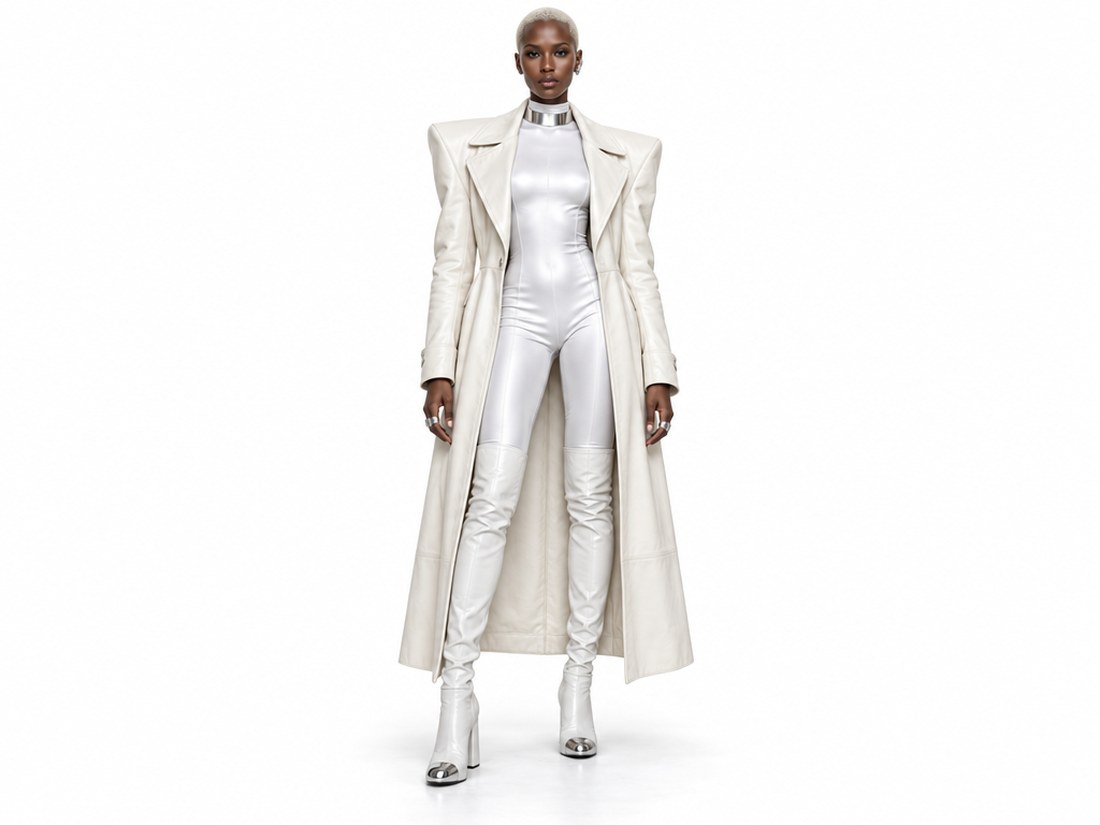
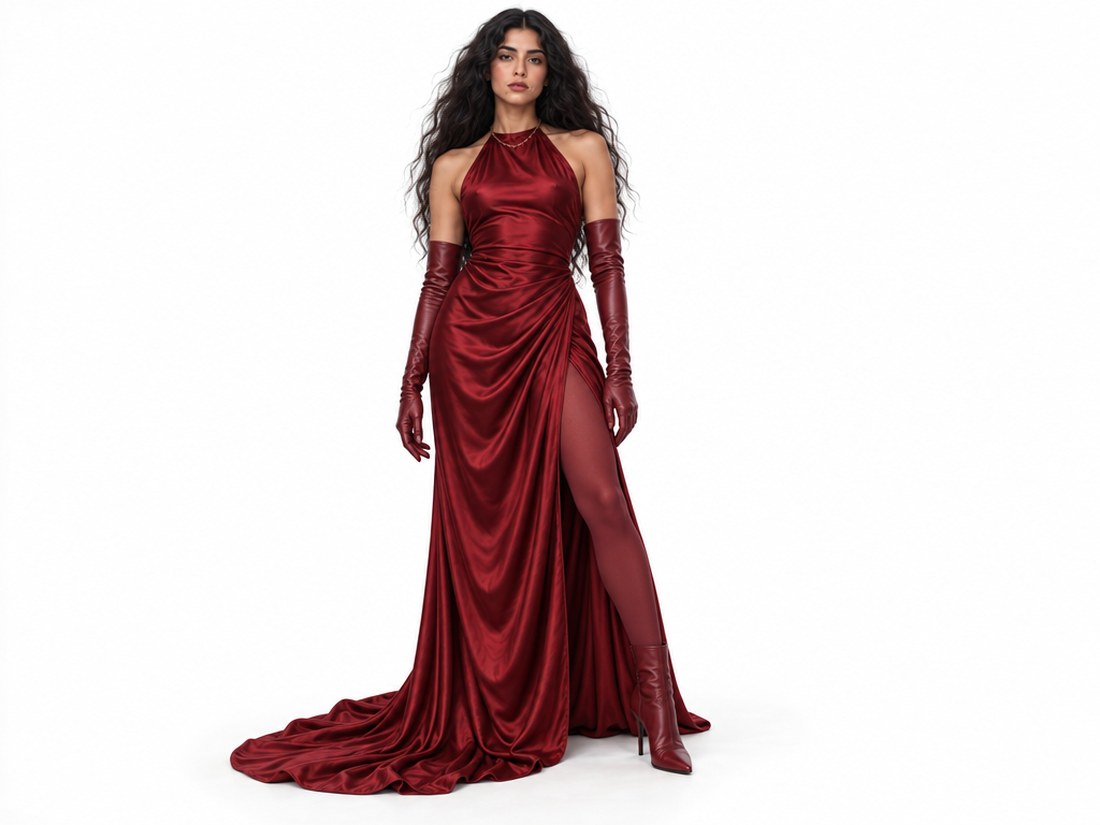
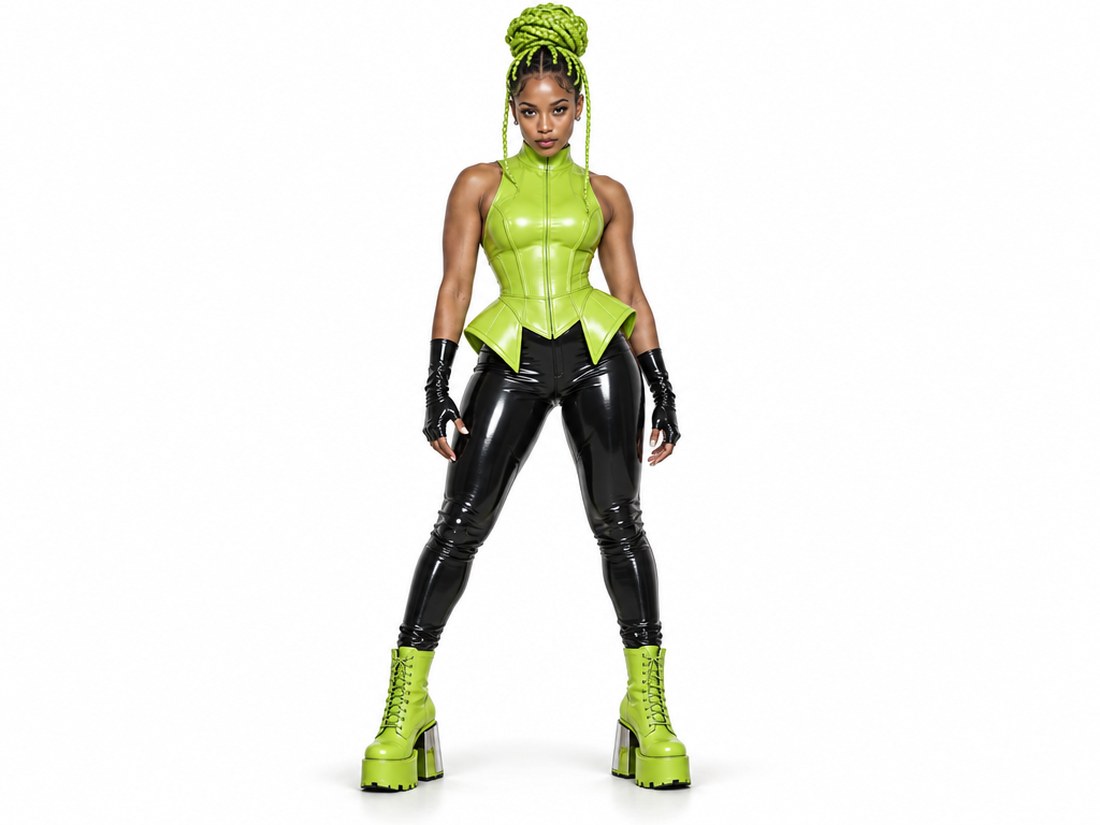
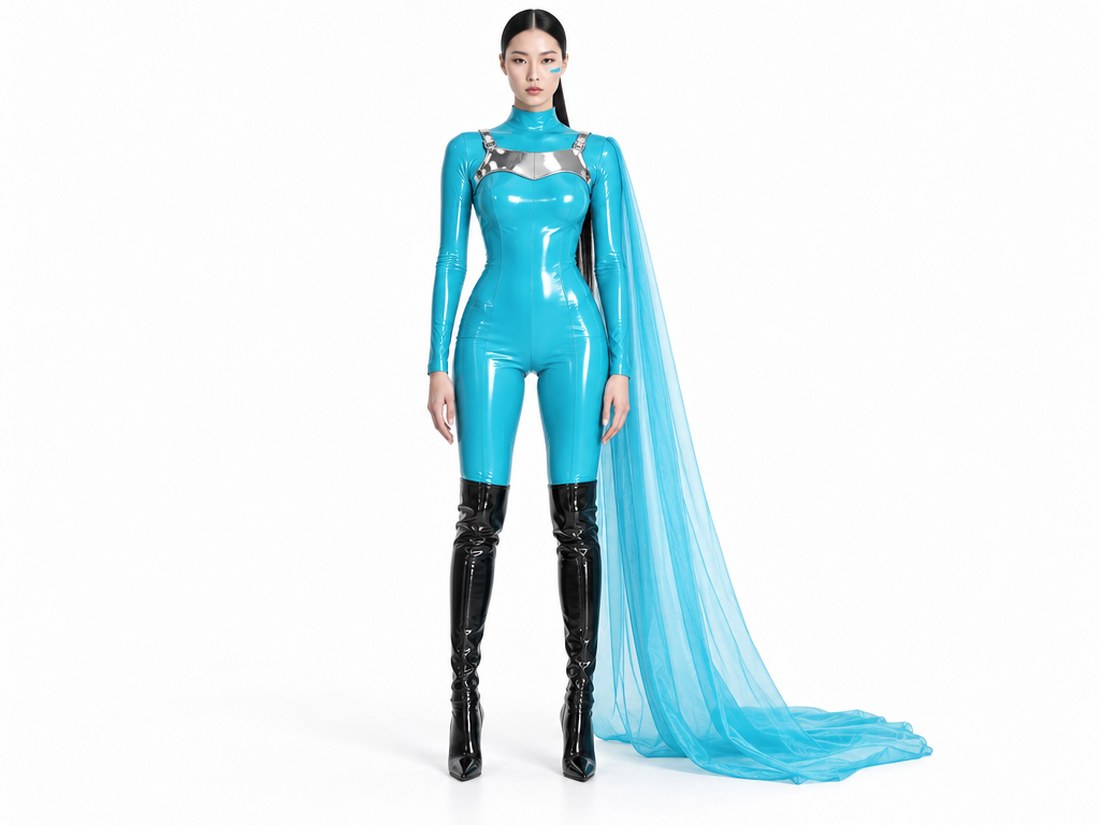
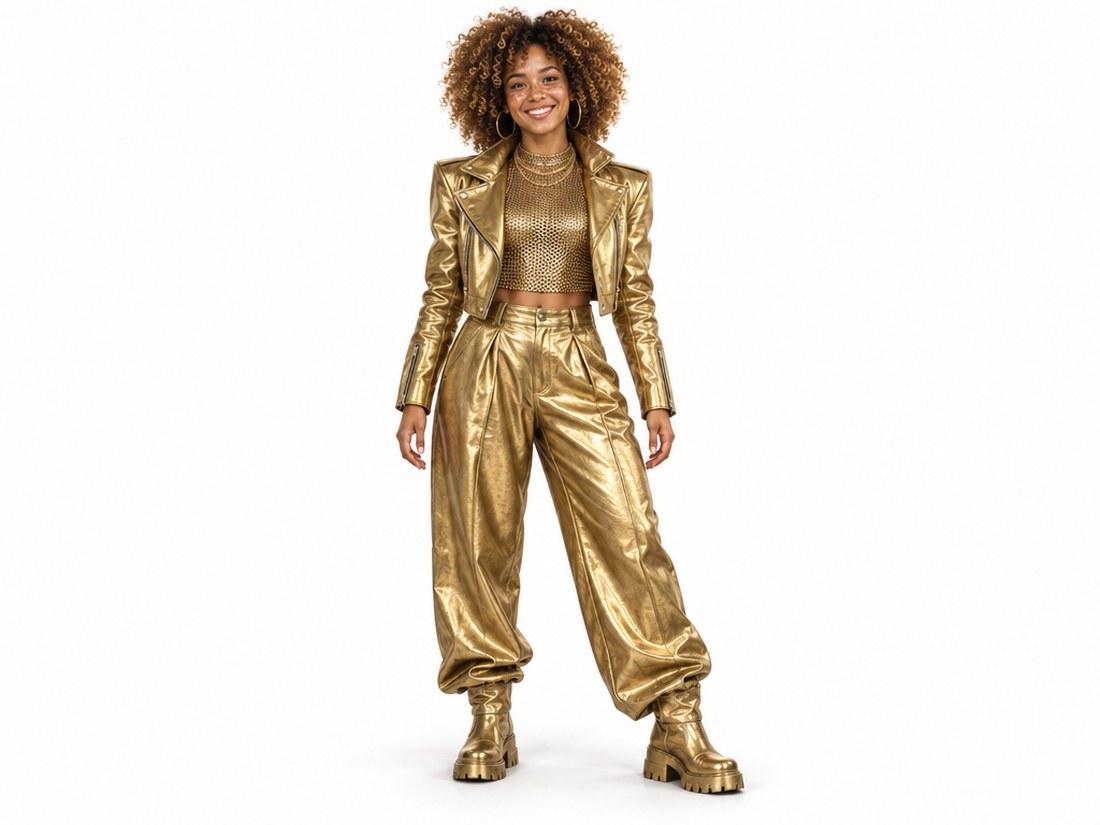
The casting prompts were being refused until the language changed. Naming a garment's neckline, sleeve length, panelling and finish passes. Describing how it sits on a body does not. Every character prompt now uses outerwear terms and ends by stating the look is high-fashion editorial.
03
The first frame is already moving
Every prompt opens mid-move. No establishing frame, no fade from black, no beat of stillness. When scene 03 came back with no singing in it at all, the fix was to say her mouth is already open on a held vowel at 0.0 seconds, and that the singing is underway before frame one rather than started on it.
04
A riff is a vowel, not a word
The vocal is not a clean lyric line. It carries non-English phrases, wordless runs, hums and ad-libs, so each is handled separately: consonant closures on sung words, vowels shaped as actually heard rather than forced into English, a riff held as one long open vowel instead of chopped into syllables, a hum with the mouth closed.
05
One vocabulary per woman
Vogue, contemporary waving, krump, popping and locking, breaking. Each prompt names its own style and then bans the other four by name. Kiki never tuts. Mira never stomps, and nothing between her shapes is smooth. Sol is the only one who touches the floor.
06
Five faces is the ceiling
Identity holds far better with one woman on screen than five. The solo B-roll blocks are the most reliable renders in the project and the best source of clean close-ups. When a group shot keeps failing on faces, the fix is to drop to three.